ARA AI Shelf: Oral Care Q2 2026
ARA Oral Care Study — Q2 2026. Brand Intelligence for the oral care category, using the four frontier AI models as the shopper.
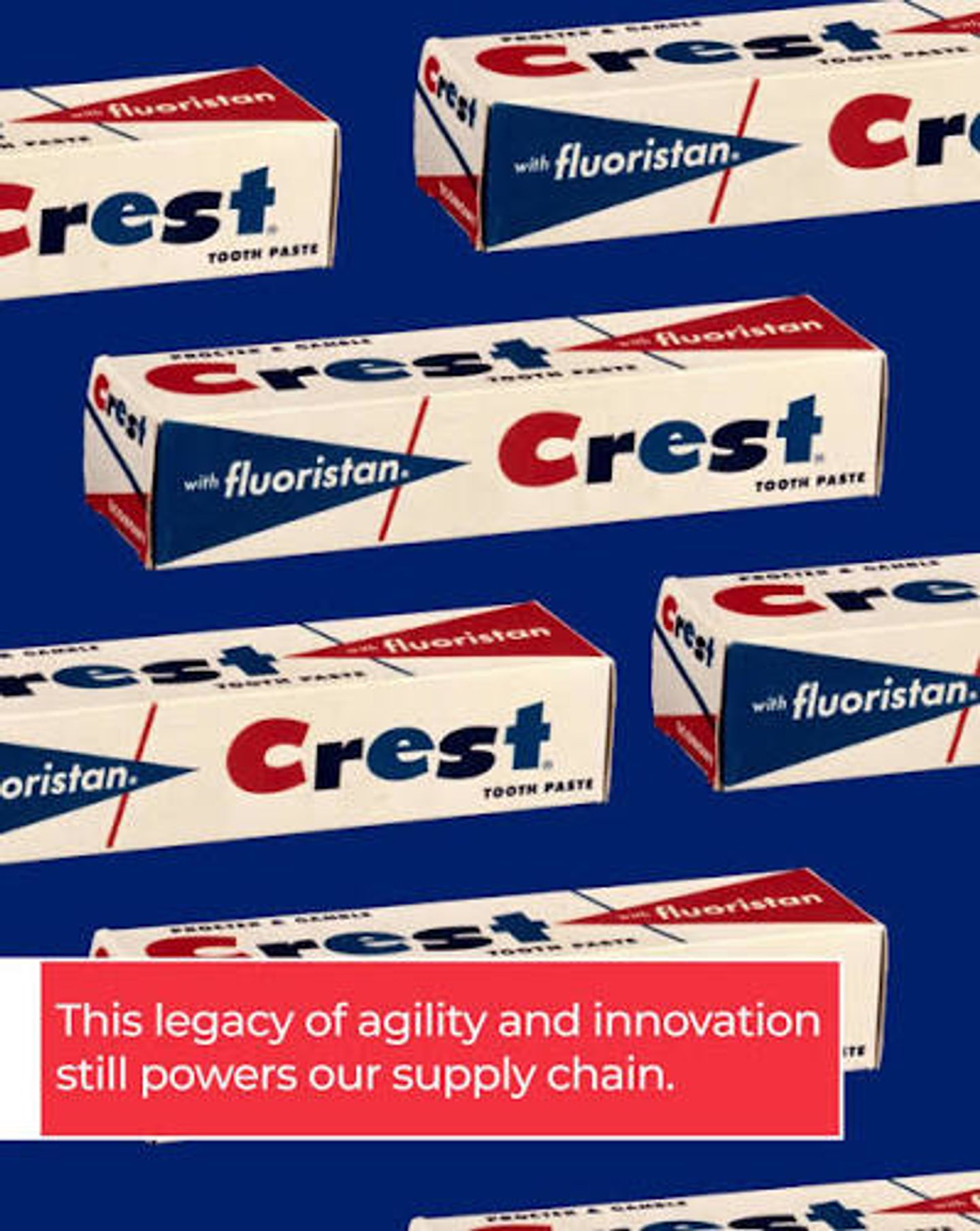
Ask the four frontier AI models which toothpaste to buy and the answer is the one your parents would have given. Crest, then Colgate, then Sensodyne. A category that has absorbed a decade of design-led challengers returns a top three that has barely moved in thirty years.
In the second quarter of 2026 we put the shopper questions to ChatGPT, Claude, Gemini and Perplexity — the best toothpaste, what to use for sensitive teeth, which brand dentists recommend, the best natural option, which electric toothbrush — then recorded every brand they named and where it ranked.
Forty-six brands came back. The eleven we audited hold 63.1% of the shelf between them, and the concentration sits exactly where the shelf-space has always been: Crest 11.2%, Colgate 10.7%, Sensodyne 8.7%.
The exception is worth studying. Tom's of Maine holds 6.8% — fourth on the whole shelf, ahead of Oral-B and ahead of Listerine. It is the one brand here that owns a clear answer to a specific question rather than competing for the general one, and the models reward it for that.
At the other end are the two brands that changed how this category looks. Marvis was never named by any model, on any question. Quip was named three times in total. Both spent the last decade being the brands people photograph in bathrooms, and neither has converted that into presence in the answer.
This is what a settled category costs a challenger. The incumbents are not winning on the strength of recent work — they are winning because thirty years of being the default answer is exactly the kind of evidence a language model is built to find. Displacing that takes something the models can read, and a beautiful product in a bathroom is not it.