ARA AI Shelf: Beer Q3 2026
ARA Beer Study — Q3 2026. Brand Intelligence for the beer category, using the four frontier AI models as the drinker.
Four categories in, the useful finding is not who leads any one shelf. It is how differently the shelves are shaped — and beer is at the far end of the range.
We put the drinker questions to ChatGPT, Claude, Gemini and Perplexity — what to bring to a barbecue, the best beer for someone who doesn't like beer, which brand is worth paying more for — and recorded every brand named.
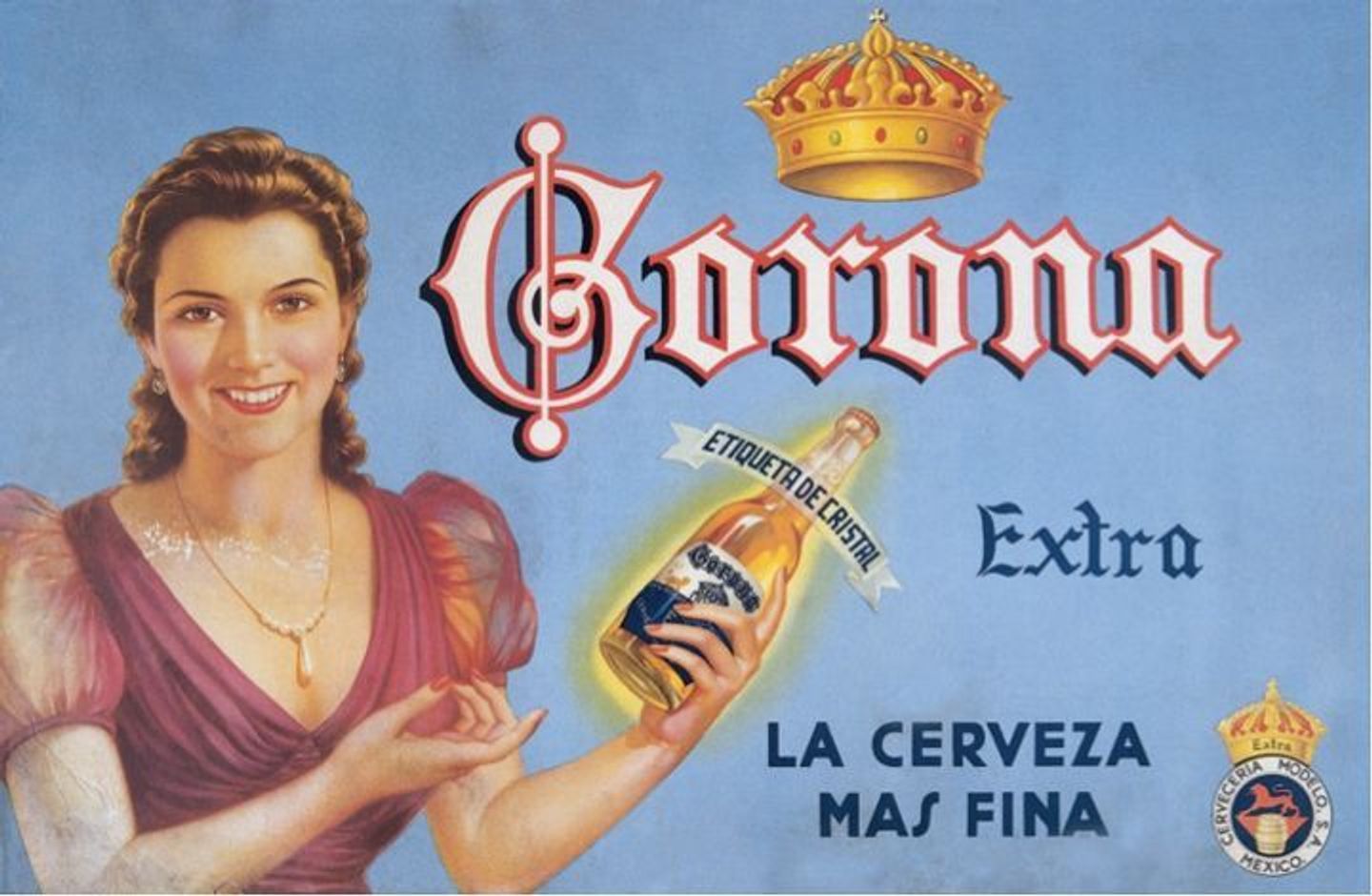
The twelve largest holdings on the shelf are all brands we audited. Corona takes 7.8% of it, Heineken 7.0%, and the twenty audited brands hold 66.7% between them. Forty brands were named exactly once, and together they account for 16%.
Set that against the other categories measured this quarter. In hospitality brand consulting, the audited specialists hold 5.2% and global generalists own the top of the shelf. In travel, no brand anywhere reaches 4% and 187 firms split the category between them. In beauty, the cohort holds 39.9% with three clear leaders. In beer, two thirds of every answer goes to twenty brands.
Those are four different commercial problems wearing the same label. An open shelf is a land grab: the ground is unclaimed and the first legible brand takes it. A closed shelf is a displacement fight: the machines already have their answers, and a challenger has to take share from a brand they trust. Knowing which one you are in is the difference between a strategy that compounds and one that spends.